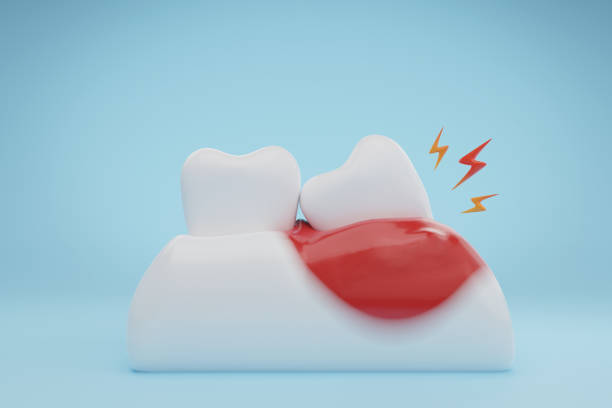
When you are in your late teens or early twenties, your wisdom teeth (third set of molars) usually come in. In some cases, these teeth can be painful, uncomfortable, or even cause an illness. There is a popular belief that wisdom teeth are passed down through families. Is this true? Although wisdom teeth may be inherited, many things can affect how they grow.
Starting with a definition of the word "genetics"
Genes and heredity, or the passing down of traits from parents to children, are studied in genetics. The development of wisdom teeth may be affected by genes, according to some research. Findings indicate that if one or both of your parents had to have their wisdom teeth taken out, you probably will too.
Other factors can affect how wisdom teeth grow
An individual's age, gender, and race may also affect the outcome. Early eruption of wisdom teeth is more likely in men than in women, according to some studies.
Tooth problems are also more common in some racial groups. Folks from Asia, for instance, have smaller jawbones, which makes it harder for wisdom teeth to come in properly.
Evolution of human teeth
Some
anthropologists think that as our diets have changed, our jaws have gotten smaller, making it harder for the third teeth to meet their full potential. Genetics can affect how wisdom teeth grow, but evolution may have also affected how they grow.
Not everyone will have wisdom teeth
These things are so rare that some people are born without them. This can also be affected by genes, since the number of people with wisdom teeth changes by population, according to studies.
Even if you have the genes for wisdom teeth, they might not emerge
In some cases, people may not have enough room for their wisdom teeth to come through properly, which is called "impacted." There may be pain, an illness, or even cysts as a result. Dental help may be needed in these situations.
Conclusion
People's genes may affect the growth of their wisdom teeth, but that's not the only thing that matters. Evolution, gender, age, and race can also be factors. Although you may be genetically predisposed to getting wisdom teeth, that doesn't mean they will come in or cause problems. Good oral hygiene and regular check-ups can help you keep an eye on your wisdom teeth and catch any problems early. For advice on what to do if your wisdom teeth are hurting or making you feel uncomfortable, talk to your dentist.
Image from iStock